What’s the Best Background Check to Use? A Comprehensive Guide

A magnifying glass over a computer monitor with various documents and files scattered around

When you’re looking to hire, rent out property, or simply learn more about someone, background checks can be an invaluable tool. They offer insight into an individual’s criminal history, employment background, and various public records, providing a clearer picture of who you’re dealing with.

If you’re searching for the best background check service, TruthFinder and Checkr are often recommended for their comprehensive and accurate reports. TruthFinder is especially praised for its extensive criminal record searches, while Checkr excels in pre-employment screening.
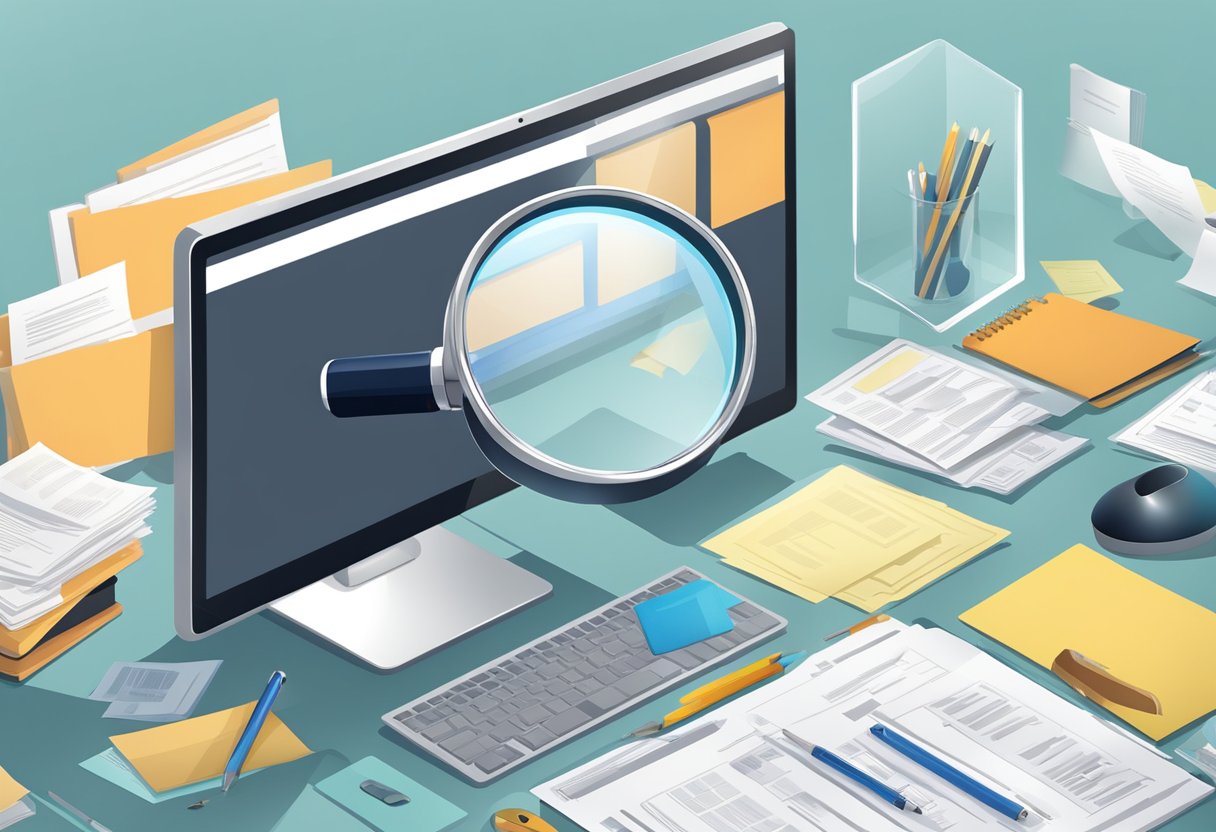
A magnifying glass over a computer monitor with various documents and files scattered around

Legal compliance is also a key factor, especially when it comes to the Fair Credit Reporting Act (FCRA). This federal law ensures that the collected data is accurate and used in a fair manner.

It’s crucial to choose FCRA-compliant services to avoid legal complications. TransUnion SmartMove is a good choice for tenant screenings, while First Advantage is recommended for international checks.

Whether you are a landlord, employer, or a concerned consumer, the right background check service can make a substantial difference in your decision-making.

“Accurate information, paired with FCRA compliance, ensures that you make informed choices while respecting privacy laws and maintaining fairness.” said Charles Jimerson from Private Investigator West Palm Beach.

Understanding Background Check Fundamentals

When selecting a background check, it’s essential to understand the types available, the importance of complying with the Fair Credit Reporting Act (FCRA), and the role of credit, criminal history, and identity verification.

These elements are crucial for ensuring a safe and informed decision-making process. Let’s get on through these with Charles Jimerson from Private Investigator West Palm Beach.

Types of Background Checks and Services

Background checks vary depending on the information and depth required.

Criminal background checks focus on identifying any criminal records, while employment verification confirms job history. Other options include education verification, credit checks, and reference checks.

Different companies offer a range of services, each specializing in specific check types. It’s vital to choose one that caters to your specific needs, whether you’re hiring for a sensitive position or simply verifying tenant information.

Ensuring FCRA Compliance and Understanding Its Importance

The Fair Credit Reporting Act (FCRA) is a federal law regulating how background checks are conducted. Ensuring your checks are FCRA-compliant is crucial to avoid legal issues and protect applicants’ rights.

You should obtain written consent from applicants before conducting checks. Make sure to provide a copy of the report and a summary of their rights if adverse actions are considered.

Understanding these steps helps maintain lawful and ethical hiring practices, safeguarding your organization against potential lawsuits.

The Role of Credit, Criminal History, and Identity Verification

Credit checks can reveal financial responsibility and potential risks, particularly for roles involving financial access. While not suitable for all positions, they provide valuable insights.

A criminal history check identifies past convictions, helping assess the potential risk of hiring an individual with a concerning record. This is essential for roles related to security or sensitive information.

Identity verification ensures candidates are who they claim to be by confirming personal and government-issued information. It’s a foundational step to prevent fraud and misrepresentation.

Choosing the Right Background Check Service

Selecting the best background check service involves a careful evaluation of various factors, including user experience, pricing, and technology. The following sections explore important criteria to consider and provide an overview of some top background check companies along with their pros and cons.

Criteria for Selecting the Best Services

When choosing a background check service, assess the pricing structure: some companies offer flat rates, while others provide a monthly subscription.

For example, Instant Checkmate has options for single reports or unlimited access.

User experience is another key factor. A service with a user-friendly platform, like GoodHire, can streamline the process and improve efficiency. It’s crucial to confirm that the provider’s technology integrates well with your existing systems.

Consider turnaround times. Services like Checkr offer fast and accurate checks, which can be beneficial if you need results quickly.

Customer reviews can often provide insight into reliability and satisfaction levels, helping to make an informed decision.

Top Background Check Companies: Pros and Cons

Several companies stand out in the field of background checks.

TruthFinder is praised for its comprehensive reports. However, higher costs could be a downside.

BeenVerified offers a range of search options.

Both Intelius and Spokeo are known for their detailed people searches, though customer support experiences vary.

For business-focused solutions, HireRight and Sterling provide extensive employment screening options.

First Advantage is another cost-effective choice for bulk screenings.

Checkr is favored for its quick turnarounds, while Instant Checkmate provides straightforward pricing plans.

GoodHire is commendable for a solid user experience and FCRA compliance, making it a good choice for employment checks.
What is Vehicle Skip Tracing? A Comprehensive Guide

a vehicle skip tracing activity

Vehicle skip tracing is a specialized process used to locate and recover vehicles when standard methods fall short.

At its core, it involves gathering and analyzing information to track down vehicles that are difficult to find, often due to delinquent loans or repossession orders.

a vehicle skip tracing activity

By employing data collection and analysis techniques, you can effectively identify the location of a vehicle, even if it’s hidden or deliberately moved.

In today’s world, vehicle skip tracing has become more efficient due to access to vast databases and sophisticated technology.

You might utilize public and private records, GPS data, and even insights from social connections to trace a vehicle. This process is invaluable for lending institutions, recovery agencies, and others needing to reclaim assets.

Understanding the nuances of vehicle skip tracing can also offer insights into the complexities of asset recovery in the modern age.

“As you explore these methods, the broader implications of privacy, legality, and technology often surface, adding layers of intrigue and challenge to the field.” said Charles Jimerson from Private Investigator West Palm Beach.

Understanding Vehicle Skip Tracing

Vehicle skip tracing is an essential technique for locating vehicles and their owners.

By collecting various data points like registration details and contact information, skip tracers operate within ethical and legal standards to retrieve necessary information.

Basics of Skip Tracing

Skip tracing involves gathering information from diverse data sources to locate a vehicle or its owner.

Key methods include phone lookup, address search, and analyzing public records.

Skip tracers use advanced search criteria to cross-reference data, such as name searches and vehicle registrations.

The technology applied can include specialized software and services that facilitate efficient data collection and analysis. See Charles Jimerson from Private Investigator West Palm Beach for more.

Legal Framework and Privacy

Understanding the legalities surrounding vehicle skip tracing is crucial.

Compliance with laws like the Fair Credit Reporting Act and Fair Debt Collection Practices Act is mandatory.

These laws uphold privacy rights and regulate how personal data is accessed and used.

You must ensure that ethical considerations are prioritized, respecting data privacy and privacy laws to avoid legal troubles.

The Skip Tracing Process

The process starts with information gathering, where skip tracers collect as much data as possible.

This can involve online research and background checks to build a complete profile.

Effective skip tracing techniques include verifying information through reliable sources to confirm accuracy.

Skip tracing services often employ a variety of tools, including verification services, to assist in confirming the gathered data.

The Role of Professionals and Technology in Skip Tracing

In vehicle skip tracing, professionals use advanced technologies to locate individuals and gather essential data. Various roles and technological tools contribute to the efficiency and effectiveness of the process.

Key Professionals in Skip Tracing

Professionals like private investigators, debt collectors, and repossession agents play a crucial role in skip tracing, utilizing their expertise to find individuals and collect data.

Repossession agents often use vehicle skip tracing to locate and recover vehicles tied to delinquent payments.

Bounty hunters and bail bondsmen are also involved when individuals evade the law, leveraging contact information and criminal background checks to track down subjects.

To enhance accuracy, these professionals collaborate with law enforcement or work independently to manage their assignments effectively.

Technological Tools and Databases

Modern skip tracing relies heavily on technology, employing tools such as skip tracing software, batch skip tracing, and specialized databases.

These tools help professionals gather and analyze data like phone numbers, email addresses, and social profiles.

Specialized databases contain phone number records, property records, and assets, vital for building comprehensive profiles.

Genealogy websites can also be valuable, providing additional contact info or historical records that might lead to a successful trace.

The integration of artificial intelligence and machine learning further refines data processing and accuracy, making the entire operation more efficient.

Practical Applications and Stakeholders

Vehicle skip tracing is used in various industries. Real estate investors, debt collection agencies, and law firms are among the stakeholders that benefit from these services.

Real estate investors use skip tracing to track down property owners and negotiate deals. Meanwhile, debt recovery agents utilize these techniques to locate delinquent borrowers. They use databases to cross-reference available data.

Journalists may leverage these tools to gather information for investigative pieces. The effectiveness depends heavily on the available data and the professional’s ability to use technology efficiently. Successful skip tracing can lead to recovering assets, reclaiming owed debts, and upholding legal responsibilities.

What Does a Skip Do Track: Understanding Its Function and Benefits

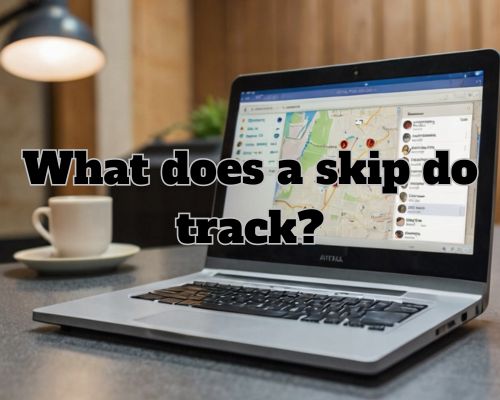
a figure of a map track

When you need to find individuals who have vanished or become unresponsive, skip tracing offers the solution. A skip tracer tracks down people who are difficult to locate. These people could be debtors, witnesses, or those avoiding legal obligations.

This process involves using a combination of technology, research, and traditional investigative methods to gather the necessary information.

a figure of a map track

In various industries, skip tracing proves essential. Whether it’s used by debt collectors, real estate professionals, or law enforcement, the approach remains a vital tool in reconnecting individuals to their responsibilities.

As you explore the topic further, you’ll uncover the cutting-edge techniques and tools that make skip tracing a critical component in numerous fields.

Skip tracing is not just about tracking someone down. It requires understanding legal and ethical considerations to ensure compliance and effectiveness.

By diving into the nuances of this practice, you can appreciate how industries leverage skip tracing not only to find people but also to facilitate successful outcomes in their operations. Let us go on through this with Private Investigator West Palm Beach.

Unveiling Skip Tracing

Skip tracing is a crucial process used across various fields to locate individuals who are challenging to find. This technique is vital for professionals such as debt collectors, private investigators, and bounty hunters who need to track down people for different reasons.

Definition and Purpose

Skip tracing involves the systematic process of locating individuals who have gone missing intentionally or unintentionally. Whether used by debt collectors seeking unpaid debts or private investigators pursuing missing persons, the purpose remains the same: finding people who cannot be easily tracked down.

By using data from online databases, social media, and public records, the technique efficiently gathers information about an individual’s whereabouts.

It is more than just locating someone; it’s about collecting and analyzing data that identifies trends, patterns, and connections.

Key Players in Skip Tracing

Several professionals like in Private Investigator West Palm Beach are directly involved in skip tracing, each with specific roles and objectives.

Skip tracers are specialists in pinpointing the location of hard-to-find individuals. They might work in sectors like debt collection, helping companies recover unpaid liabilities.

Law enforcement agents and bail bondsmen also rely on these skills, especially when a fugitive has evaded capture.

Repossessions agents and process servers apply skip tracing techniques to track down debtors or deliver legal paperwork.

Other key players include real estate investors, who utilize skip tracing to find property owners, and insurance companies, seeking individuals involved in claims.

Common Applications

Skip tracing is widely utilized for several purposes. In debt collection, it serves as a vital tool to locate debtors who have defaulted on financial obligations. The travel paths and current locations of these individuals become the focal point.

In the legal realm, process servers and law firms depend on skip tracing to ensure that legal documents reach the right person. This is essential for maintaining the integrity of legal proceedings.

Bounty hunters use it in the pursuit of fugitives, ensuring that justice is served.

Real estate investors leverage skip tracing to locate property owners or potential buyers, enhancing their business decisions. Each application underscores the versatility and importance of skip tracing in various industries.

Skip Tracing Methodology

Skip tracing is a precise and systematic process used to locate individuals who may be intentionally hiding or difficult to find.

This involves a combination of thoughtful research techniques, leveraging digital and public records, and adhering to ethical and legal guidelines to achieve accurate results.

Research Techniques and Tools

Effective skip tracing relies on a blend of traditional and modern research techniques.

You can employ social engineering tactics like interviews or casual conversations.

Advanced search techniques using online databases or skip tracing software enhance this process.

Specialized databases, which may require subscriptions, provide access to targeted information such as credit reports or criminal background checks.

Tools like verification services improve accuracy by confirming the validity of collected data.

Digital and Public Records Utilization

Utilizing both digital and public records is crucial to locating someone.

Public records, such as property records and utility bills, offer essential address history.

Online databases, including both free and subscription-based options, help gather comprehensive social media, employment, and location information.

Access to specialized databases allows you to track individuals across various sectors and sectors while ensuring data precision via internet searches and leading databases.

Ethical and Legal Considerations

While employing skip tracing techniques, it is vital that you maintain ethical conduct and stay within the bounds of the law.

Privacy rights should be respected, ensuring that local laws and national regulations regarding data usage are followed diligently.

You must be vigilant about the ethical considerations of sharing sensitive data and avoid methods that infringe on an individual’s rights.

Following laws and regulations ensures the legitimacy of your skip tracing activities, safeguarding both your interests and those you are tracking.

How to Avoid Skip Tracing: Effective Strategies and Tips

A shadowy figure erases digital footprints, hides behind multiple screens, and uses encryption software

Protecting your privacy has become increasingly important, especially when it comes to avoiding skip tracing. This is a method used to locate individuals, typically for debt collection or legal purposes.

To effectively reduce the chances of being tracked, be cautious about the information you share online. Also, adjust privacy settings on social media and opt out of public databases. These strategies empower you to maintain more control over your personal information.

A shadowy figure erases digital footprints, hides behind multiple screens, and uses encryption software

In addition, understanding privacy laws can offer an extra layer of protection against unwanted searches. Many jurisdictions have regulations that safeguard individual data, limiting how and when it can be accessed.

By familiarizing yourself with these laws, you can make informed decisions about your personal data. You can also ensure that you’re exercising all available rights.

Ethical considerations are also vital when discussing skip tracing. While skip tracers play a legitimate role in areas like debt recovery, it’s important to consider the ethical implications of tracking individuals without consent.

Private Investigator West Palm Beach highlights that by being aware of these issues, you not only safeguard your privacy but also contribute to a broader conversation about ethical data usage.

Understanding the Basics of Skip Tracing

Skip tracing is a specialized method used to locate individuals who are difficult to find. It involves a variety of techniques and is commonly utilized in fields like real estate, debt collection, and legal services.

Defining Skip Tracing and Its Purpose

Skip tracing is the process of locating a person who cannot be easily found. This individual may have moved, changed identities, or purposefully evaded detection.

Skip tracing is often employed by debt collectors, real estate professionals, and legal service agencies to find those who owe debts, are involved in legal action, or need to be contacted for other urgent matters. Public records, background checks, and specialized databases are commonly used to gather the necessary information.

Role of Skip Tracers and Private Investigators

The role of a skip tracer can be filled by a professional skip tracer, private investigator like in Private Investigator West Palm Beach, or any individual trained in specialized tracking techniques.

These experts use advanced tools and access to databases to locate individuals, often collaborating with legal and real estate professionals. Skip tracing services may be provided in-house or outsourced, depending on the complexity of the task.

Techniques include analyzing credit reports, social media profiles, and employment records to construct a detailed picture of the individual’s whereabouts.

Legal Framework and Compliance

Understanding the legal framework surrounding skip tracing is crucial to ensure compliance with relevant laws. The Fair Credit Reporting Act and the Fair Debt Collection Practices Act establish guidelines to protect consumer rights during the process.

Compliance with privacy laws, such as GDPR, is essential to ensure that all actions respect personal data protection norms.

Firms involved in skip tracing must adhere to these legal obligations to avoid penalties and ensure ethical standards are maintained.

Practical Measures to Avoid Skip Tracing

To avoid skip tracing, focus on maintaining your privacy by controlling the information you share publicly and being mindful of your digital footprint. Ensure that your personal data is protected across online platforms and consider strategies tailored to both individuals and property owners.

Enhancing Personal Privacy

Limit the amount of personal information you share on social media profiles. Set your profiles to private, allowing only trusted connections to view your details.

Engage in regular privacy audits to remove or restrict access to data others can see.

Conduct a name search on yourself periodically to understand what public records reveal. This can help you find and mitigate potential privacy concerns.

Opt out of online databases that store personal data to reduce your digital trail.

Navigating Public Records and Digital Trails

Avoiding skip tracing requires awareness of what public records say about you. Regularly check and manage which public documents are available, such as court records or driver’s license information.

To control your digital footprint, update the privacy settings of online accounts and consistently review the permissions granted to third-party apps.

Cross-reference data across platforms to ensure accuracy and minimize discrepancies, as errors can make you easier to trace.

Strategies for Individuals and Property Owners

For individuals, it’s crucial to maintain privacy through data protection methods. You can use aliases or P.O. boxes for non-essential contact points. Also, make sure to keep financial accounts secure to avoid issues that might lead collectors to seek skip tracing.

Property owners should be cautious about public listings or online advertisements. Use trusted real estate intermediaries to manage transactions discreetly. For landlords or real estate investors, ensure rental agreements do not unnecessarily disclose personal information. Also, focus on ethical considerations in skip tracing to ensure your efforts to remain private adhere to legal guidelines.

How Does Skip Tracing Work in Real Estate? An Insider’s Guide to Locating Property Owners

a professional in real estate skip tracing

Skip tracing in real estate is a valuable tool that helps you locate property owners whose contact information may not be readily available. It’s a process often used by investors, real estate agents, and legal professionals to find individuals who are difficult to track down.

By gathering data from various public and private sources, skip tracing provides the crucial contact details needed to engage with potential property sellers. This is especially true for those involved in foreclosures or evictions.

a professional in real estate skip tracing

When you explore skip tracing, you dive into a methodical approach that includes collecting information from public records, databases, and even social media. This practice ensures that you have the most up-to-date and precise contact information possible.

Based on Private Investigator West Palm Beach, whether you are a seasoned real estate professional or a budding investor, knowing how skip tracing works can give you an edge in acquiring properties and expanding your portfolio.

Engaging in skip tracing not only amplifies your reach but also enhances your ability to communicate directly with property owners. This can lead you to better deals and less competition when purchasing properties.

By mastering skip tracing, you can transform elusive leads into successful real estate opportunities.

Understanding the Basics of Skip Tracing in Real Estate

Skip tracing is a process used by real estate professionals to locate individuals who are difficult to find. This often involves gathering and analyzing a variety of data sources to uncover contact details.

Defining Skip Tracing

Skip tracing involves the act of locating someone who may not be readily reachable. In real estate, this typically refers to uncovering the whereabouts and contact information of property owners.

Real estate investors use skip tracing to contact evasive or hard-to-find individuals. Skip tracing services and tools can streamline this process, providing details such as phone numbers, email addresses, and mailing information.

Efficient skip tracing saves time and helps establish crucial connections necessary for successful real estate transactions.

The Role of Data in Skip Tracing

Data is the cornerstone of effective skip tracing. Using publicly available information, public records, and property records provides a starting point.

Skip tracing tools collect data from various sources, often extending to social media and even court records.

Advanced tools compile this information, transforming disparate data points into actionable insights. By harnessing targeted data, you not only track down a contact but also understand their background, assisting in informed real estate negotiations.

Reliable data ensures you can maintain focus on potential leads without wasted effort.

Legal Considerations

When skip tracing, adherence to legal guidelines is essential. Privacy laws dictate how you access and utilize data, safeguarding individuals from misuse.

Ensure compliance by verifying that the skip tracing services you use follow relevant regulations, just like Private Investigator West Palm Beach.

Legal issues may arise if you infringe on privacy rights through unauthorized access to sensitive information. While publicly available information is fair game, be cautious with criminal records and other sensitive details.

Maintaining legality while using these resources protects you from potential legal repercussions, upholding ethical standards in your real estate endeavors.

Skip Tracing Techniques and Applications

In real estate, skip tracing is crucial for locating property owners and potential sellers, particularly for off-market deals and distressed properties.

By effectively using your skills and tools, you can discover valuable prospects and make successful property investments.

Advanced Skip Tracing Strategies

For advanced strategies, consider combining both traditional and modern techniques.

You might start with public records such as property tax records or local county tax assessor data to gather preliminary information.

Additionally, check credit reports for a detailed financial background.

Utilizing a private investigator may provide insights into hard-to-find details for challenging cases.

For pre-foreclosure properties or probate leads, court probate proceedings can reveal ownership details.

In critical situations, using professionals like private investigators can ensure thorough searches are conducted properly.

Finding Contact Information

Acquiring accurate contact information is essential.

Start by examining online information sources like social media profiles, including LinkedIn, to track down the current whereabouts of property owners.

Consider other online databases and employer websites for additional leads.

For direct contact methods, gather a mobile phone number, email address, or mailing address through available public databases or by reaching out to neighbors and relatives.

Personal visits, known as “driving for dollars,” may uncover insights into absentee owners or vacant properties. Look for USPS forwarding addresses or employ mailing services to track potential sellers.

Leveraging Technology for Enhanced Skip Tracing

Technology plays an integral role in efficient skip tracing. Automated skip tracing tools can quickly collate data from multiple sources. These tools simplify the collection of contact details. They can also help identify motivated sellers of distressed or off-market properties.

Techniques like batch skip tracing allow you to process multiple properties simultaneously. This can enhance your lead generation efforts.

Reaching out through varied communication platforms or conducting background checks online can further assist your efforts. You can also employ technology to sift through LLC registration data and other corporate records. This will provide insights into properties owned by corporations or limited liability companies.